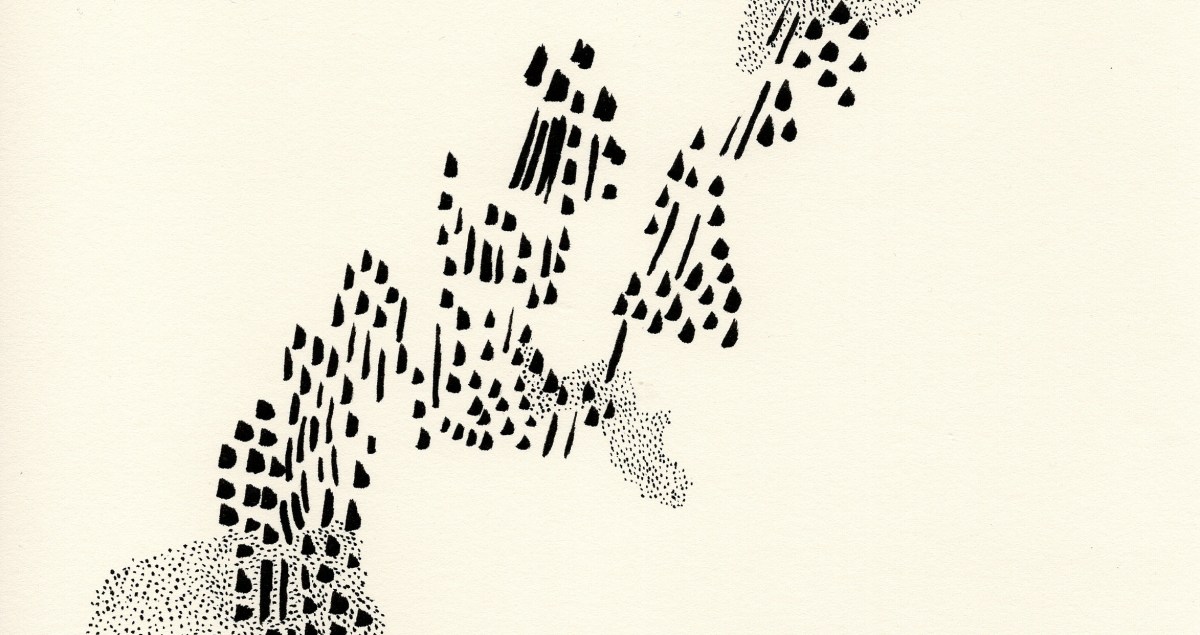
Vents contraires
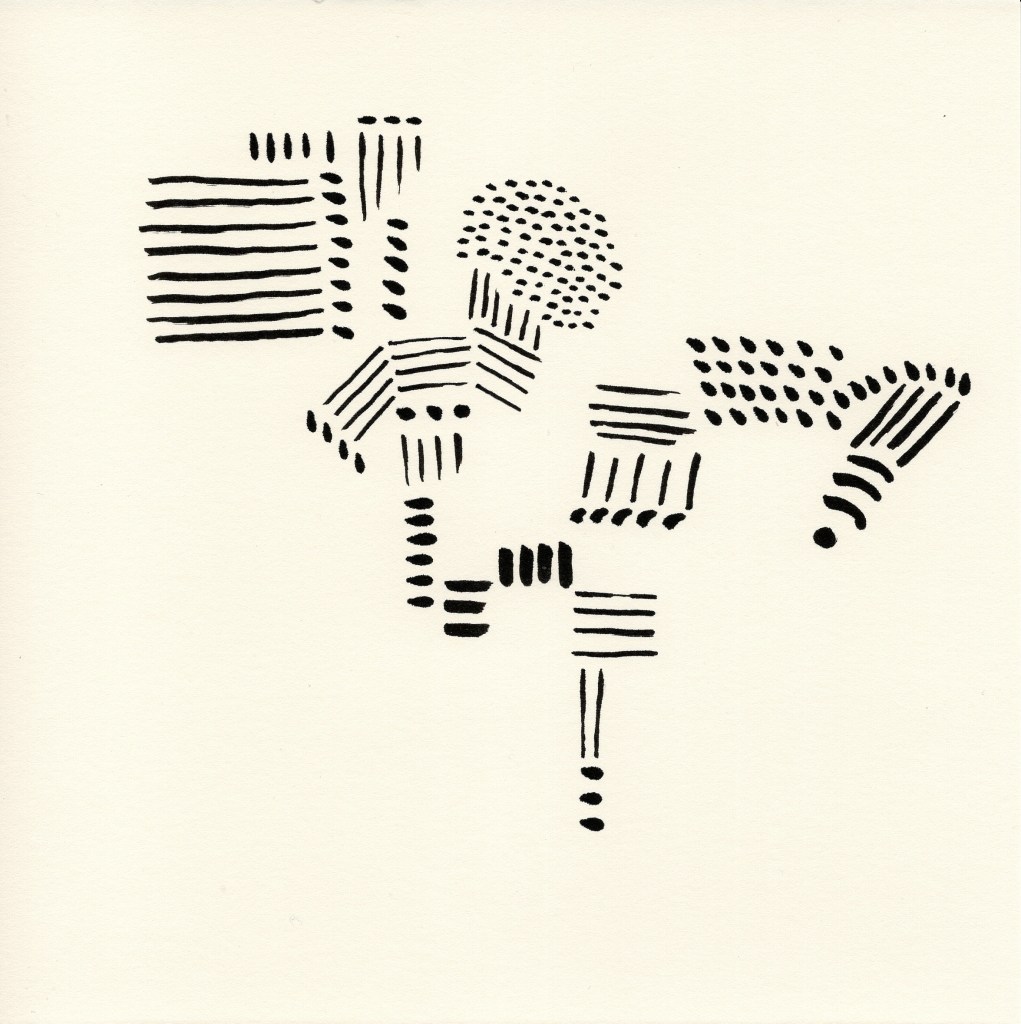
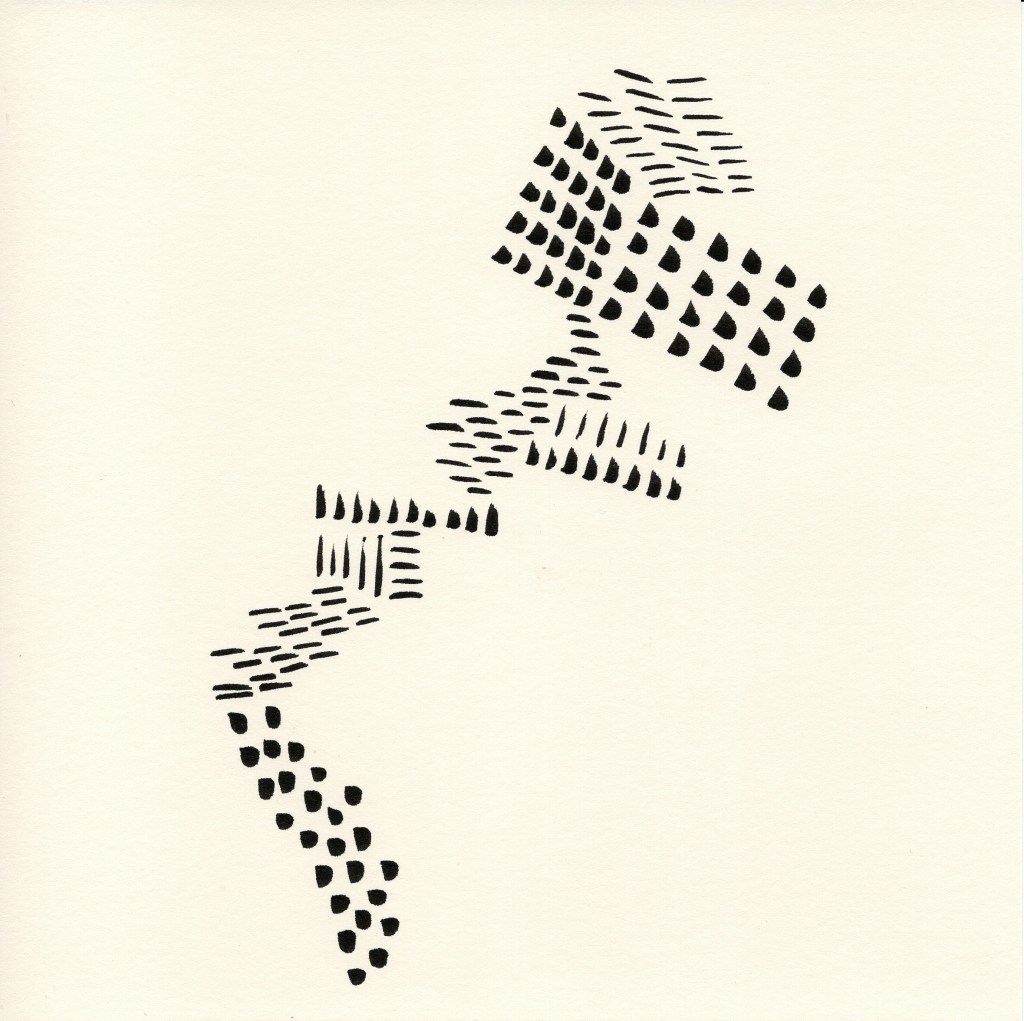
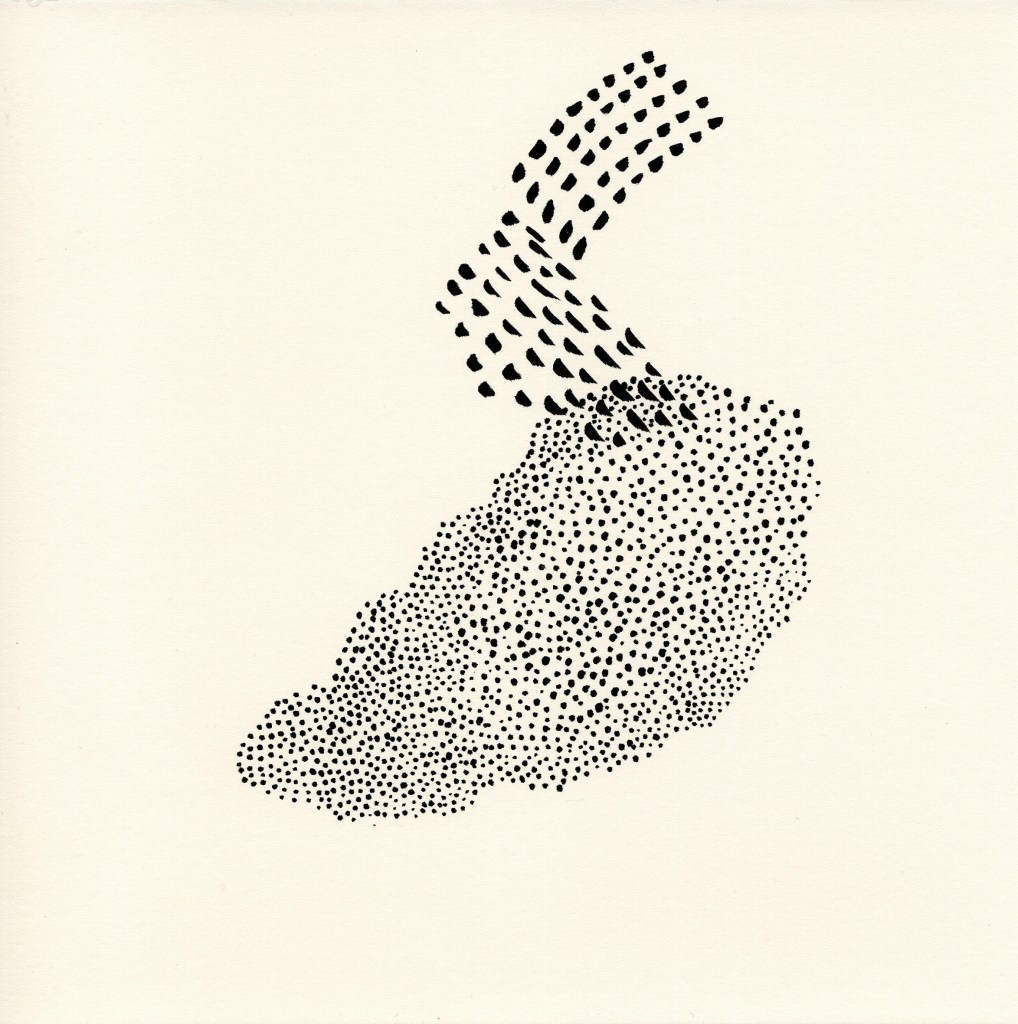
Series of drawings, concrete poetry
20x20cm., fineliner and blackliner brush
2025
„In the beginning was speed, pure fleeting movement, the ‘wind-lightning’. Then the cosmos slowed down, took on substance and form, until it reached habitable slowness, until it reached life, until it reached us.“
„The Horde of Counterwind“ by A. Damasio
This series of drawings explores the theme of wind. Since ancient times, wind has been a source of energy. It fills the sails of ships, propels Ulysses on his journey around the Mediterranean Sea and turns the wings of windmills. It seemed so mysterious to the ancients that it could only be divine in nature. In the Bible, it is none other than the breath of God: ‘In the beginning, God created the heavens and the earth. Now the earth was formless and empty, darkness covered the abyss, and a wind from God swirled over the waters.’ (Genesis, Old Testament).
Wind is inseparable from the landscapes that surround us. Wind shapes the landscape, just as the landscape influences its currents.
The dynamics of the latter involve many parameters, such as atmospheric pressure, relief, vegetation and maritime expanses.
The wind also carries smells, seeds from plants, but also pollution residues or, worse still, atomic weapons.
It is one of the few things that human beings cannot control or influence.
It is as free as the air!
Text inspired by the Book “L’espace du vent” by Jean Riser



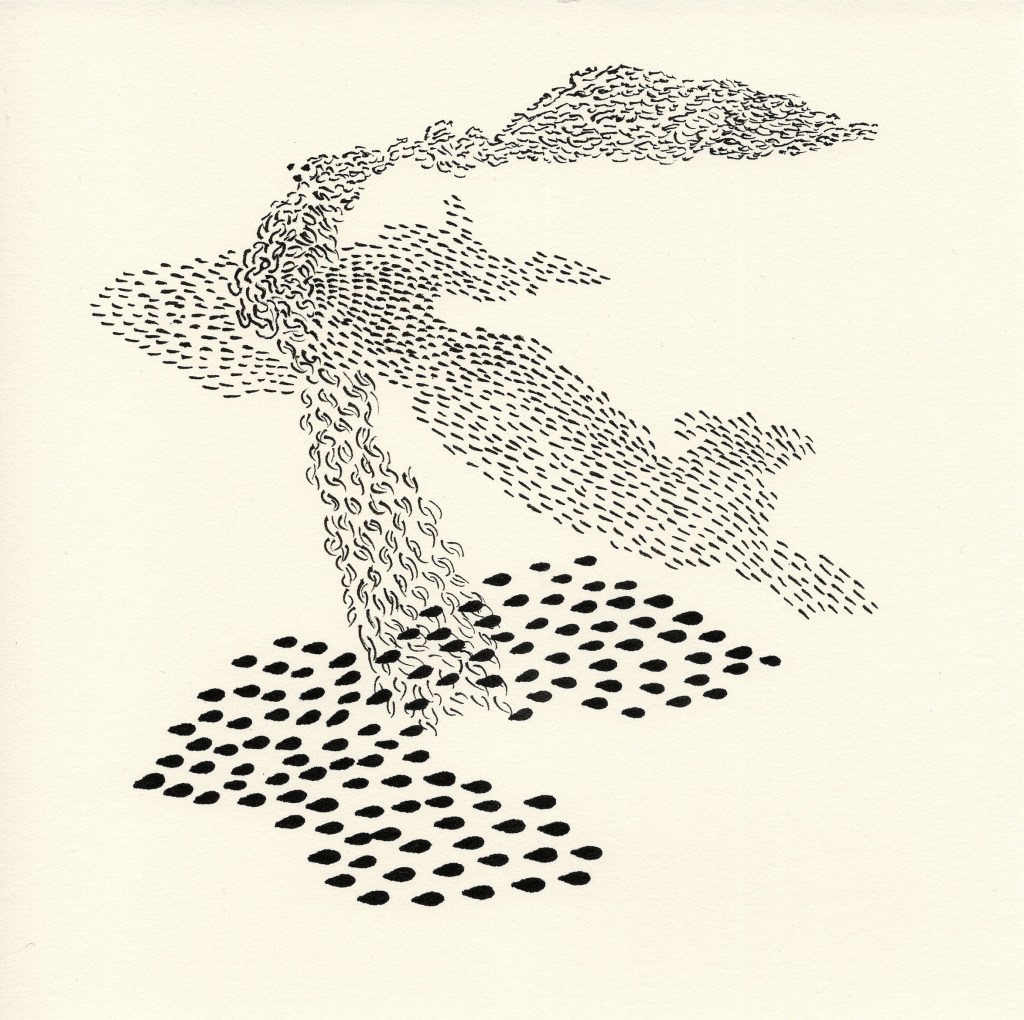


„The Wind took up the Northem Things
And piled them in the South –
Then gave the East unto the West
And opening his mouth
The Four Divisions of the Earth
Did make as to devour
While everything to corners slunk
Behind the awful power –
The Wind unto his Chamber went
And nature ventured out –
Her subjects scattered into place
Her systems ranged about
Again the smoke from Dwellings rose
The Day abroad was heard
How intimate, a Tempest past
The Transport of the Bird –”
The poems of Emily Dickinson, 1968
 Elma Riza